
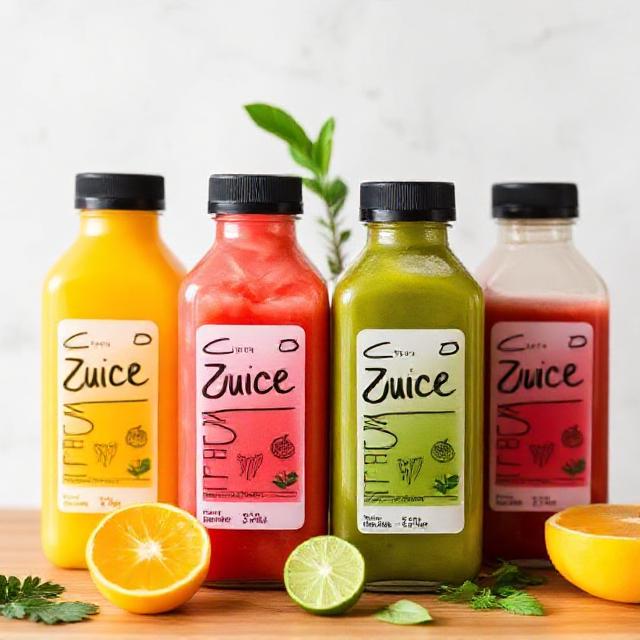
Detox drinks are everywhere online, from ‘flat tummy’ teas to colorful fruit-infused waters promising to flush out toxins, reset your body, and jump-start weight loss. A blog on HyugaLife, Cleanse Your Body With Detox Drinks, presents detox beverages as a way to ‘purify and cleanse your body’ and support the body’s ‘natural detoxification’ processes. At first, this sounds harmless and maybe even healthy. But when you look at the available research, you’ll find out these claims are misleading. Detox drinks don’t perform any special cleansing function, and the benefits people notice are almost always explained by basic hydration and short-term dietary changes, not by toxin removal.
One of the first problems with the HyugaLife article is its use of vague language about ‘toxins’. Like many detox promotions, it implies that harmful substances build up in the body and need to be flushed out with special drinks, but it never identifies which toxins are being targeted, how they accumulate, or how the drinks remove them. The National Center for Complementary and Integrative Health (NCCIH) points out that a wide range of detox diets and programs claim to remove toxins, promote health, or support weight loss, yet there have been only a small number of human studies on these programs, and those studies are generally low quality, with small samples and design flaws (National Center for Complementary and Integrative Health, 2025). In addition, the NCCIH also mentioned a 2015 review that concluded there was no compelling research to support using detox diets for either weight management or eliminating toxins from the body.

Another key issue is that detox drinks are framed as if the body needs outside help to detoxify. In reality, the body already has an efficient, continuous detoxification system. The liver converts many compounds, including medications and byproducts of metabolism, into forms that can be safely excreted, while the kidneys filter the blood and help eliminate waste in the urine. A liver specialist at the University of Chicago explains that detox products are unlikely to do any good, and a normal, healthy body already detoxes on its own (Aronsohn, 2022). In other words, detox drinks try to ‘help’ a system that is already doing its job well in healthy people, without proof that they actually improve anything.
Major medical centers also warn that claims about detox cleanses improving liver health or repairing damage aren’t backed by clinical data. Johns Hopkins hepatologists state that they don’t recommend liver cleanses, noting that many products aren’t regulated and haven’t been adequately tested in clinical trials (Woreta, n.d.). They emphasize that liver cleanses haven’t been proven to remove damage from overeating or heavy drinking, nor have they been shown to treat existing liver disease. Similarly, there’s no reason to believe toxins build up in the body of a healthy person that can’t be removed from its own mechanisms (Aronsohn, 2022). These positions contradict the impression given by the HyugaLife article that detox beverages support detoxification or organ health.
The research that does exist on detox diets and cleanses tends to show short-term changes that are easily explained without invoking toxins. NCCIH notes that some small studies have found initial weight or fat loss and changes in markers like insulin resistance or blood pressure, but these studies had limitations such as study design problems or lack of peer review (NCCIH, 2025). There also isn’t a large body of scientific research supporting the claimed health benefits of detoxes and cleanses, and the reviews of detox diets generally raise more doubt than support (Cleveland Clinic, 2024). It’s true that when people replace processed, sodium-dense foods with fluids or juices, they may lose water weight, reduce bloating, and feel temporarily better. It doesn’t mean toxins were removed; it simply reflects healthier changes to the diet overall.
Detox programs aren’t only found to be ineffective, but they can also carry risks. According to NCCIH, some detox products have been targeted by the U.S. Food and Drug Administration and Federal Trade Commission for hidden ingredients, illegal claims, or unsafe devices. Colon cleanses can cause diarrhea, dehydration, and electrolyte disturbances, and detox diets that severely restrict calories or foods may fail to provide essential nutrients (NCCIH, 2025). Cleveland Clinic also highlights potential problems such as nutrient deficiencies, low energy, GI distress from laxative effects, and product safety issues, especially when the ingredients aren’t well regulated (Cleveland Clinic, 2024). When a blog promotes detox drinks as a simple way to improve health without acknowledging these kinds of risks, it gives an incomplete and misleading picture.
It’s also important to recognize that detox marketing can distract people from strategies that actually improve health. HyugaLife presents detox drinks as a tool to cleanse the body and feel better, but still says at the end that detox drinks shouldn’t be used in place of a balanced diet and healthy lifestyle habits. Cleveland Clinic recommends supporting the body’s natural detox systems by eating a balanced diet rich in fruits, vegetables, whole grains, and legumes rather than relying on special cleanses (Cleveland Clinic, 2024). Regular exercise, healthy eating, and limiting alcohol are other ways to naturally detox the body (Aronsohn, 2022). Preventing liver disease relies on factors like moderating alcohol, managing body weight, controlling metabolic diseases, and getting appropriate vaccinations and treatment, not on cleanse products (Woreta, n.d.).
Overall, the claims made in the HyugaLife detox article don’t hold up when compared with current scientific evidence. The article suggests that detox drinks purify the body and support detoxification, but it doesn’t identify specific toxins, demonstrate that those toxins are removed, or provide actual research showing health benefits. Sources such as NCCIH, Cleveland Clinic, Johns Hopkins Medicine, and UChicago Medicine all emphasize that there is limited, low-quality evidence for detox diets, no strong support for their use in toxin elimination or long-term weight management, and highlight potential risks associated with unregulated products (Aronsohn, 2022; Cleveland Clinic, 2024; NCCIH, 2025; Woreta, n.d.). The body already has efficient organs that detoxify the body without the need for cleanses consisting of special beverages. Rather than spending money on detox drinks, people will gain more benefits by focusing on balanced nutrition, regular physical activity, staying hydrated, and working with qualified health professionals such as registered dietitians when real health concerns arise.
References
Aronsohn, A. (2022). Is detoxing good for you? UChicago Medicine. https://www.uchicagomedicine.org/forefront/gastrointestinal-articles/do-detoxes-work
Cleveland Clinic. (2024). Detox or cleanse: What to know before you start. https://health.clevelandclinic.org/detox-cleanse
HyugaLife. (2024). Cleanse your body with detox drinks. https://hyugalife.com/blog/cleanse-body-with-detox-drinks
National Center for Complementary and Integrative Health. (2025). “Detoxes” and “cleanses”: What you need to know. U.S. Department of Health and Human Services. https://www.nccih.nih.gov/health/detoxes-and-cleanses-what-you-need-to-know
Woreta, T. (n.d.). Detoxing your liver: Fact versus fiction. Johns Hopkins Medicine. https://www.hopkinsmedicine.org/health/wellness-and-prevention/detoxing-your-liver-fact-versus-fiction
 Quick Silver Nutrition
Leave a comment